
I was hesitant to write this story down; and I struggled for a long time with if and how to tell it to anyone at all.
Every American old enough to remember 9/11 first-hand has a story about where they were and what they were doing when they heard or saw the news about that day’s terrorist attacks, or when they experienced the attacks themselves – in New York City, in Washington, DC, and in Pennsylvania – or the loss that came with them.
My 9/11 story is about where I wasn’t and what I wasn’t doing, and the courage it took for me to take a nap on a jet a few days later.
Flying the Friendly Skies
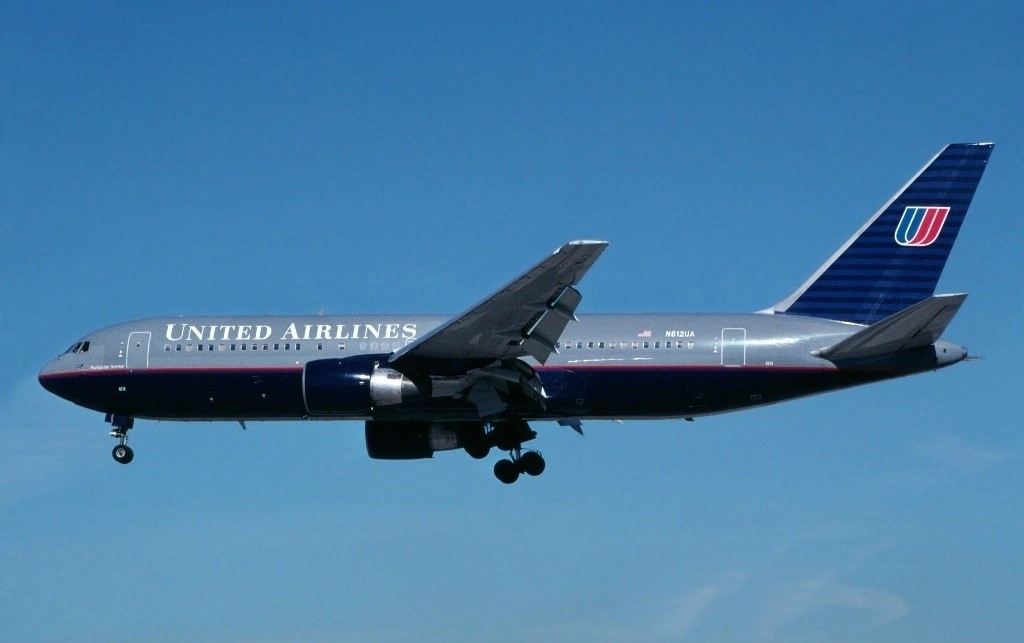
I was thrilled to be working as a United Airlines pilot at the time, and I was assigned to the pilot base at Kennedy International Airport in New York City, to fly the Boeing 757 and 767, two wonderful airframes. It was an incredibly great job and a dream come true for me, after my transition from flying the F-15E Strike Eagle in the U.S. Air Force – until 9/11.
9/11 was a terrible day for all of us, even those with no direct connection to what happened that day. In my case, both United jets that were hijacked were from my fleet and they were flown by pilots from my base.
As fate would have it, I was not on duty that day, flying the “Friendly Skies” with my United family. Instead, I watched what happened on the news in horror, like so many of the rest of us, as two American Airlines jets and two United Airlines jets – and everyone on board – were turned into weapons of terror.
A Day of Devastation
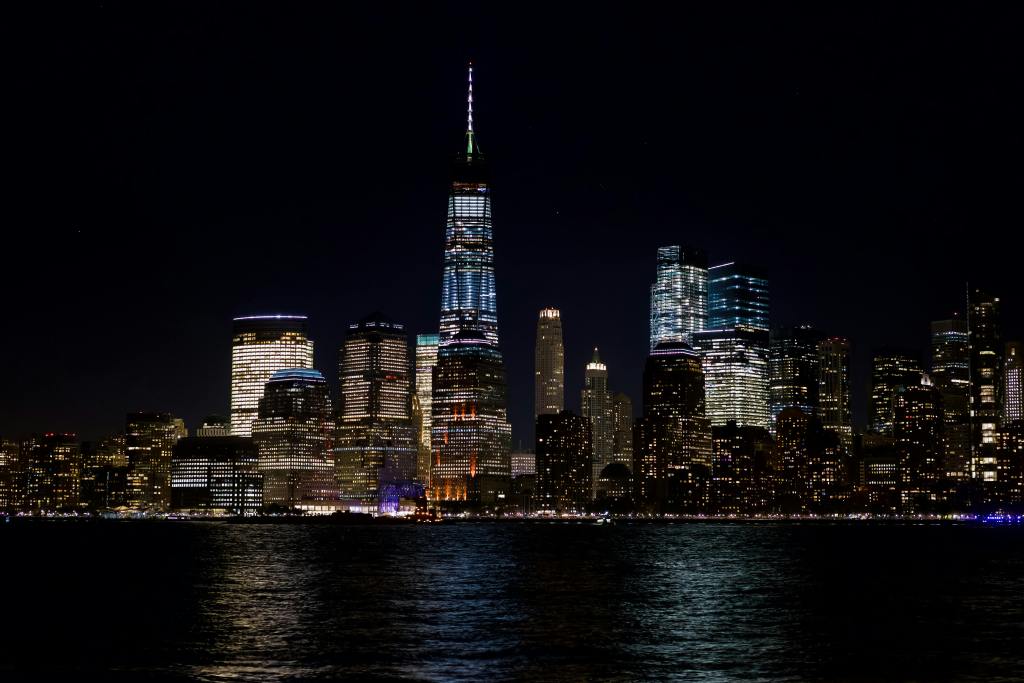
The hijackers crashed American Airlines Flight 11 into the North Tower of the World Trade Center at 8:46 a.m. The fatalities from Flight 11’s hijacking included 11 crew members, 81 passengers, and an unknown number of people in the tower.
The hijackers then crashed United Airlines Flight 175 into the South Tower of the World Trade Center at 9:03 a.m., on live television.
My United colleagues on Flight 175 – the two pilots and seven flight attendants crewing that Boeing 767 – were scheduled to carry their passengers from Boston to Los Angeles. But Captain Victor Saracini and First Officer Michael Horrocks died that day, along with their crewmates and their 51 passengers.
The hijackers then crashed American Airlines Flight 77 into the Pentagon at 9:37 a.m. The fatalities from Flight 77’s hijacking included six crew members, 58 passengers, and 125 military and civilian personnel in the building.
The hijackers then crashed United Airlines Flight 93 into a field near Shanksville, Pennsylvania, southeast of Pittsburgh, at 10:03 a.m., after the passengers on board put up a fight to regain control of the aircraft.
My United colleagues on Flight 93 – the two pilots and five flight attendants crewing that Boeing 757 – were scheduled to carry their passengers from Newark to San Francisco. But Captain Jason Dahl and First Officer LeRoy Homer, Jr., died that day, along with their crewmates and their 33 passengers.
All told, 2,977 victims died in the terrorist attacks on 9/11.
Back to the Cockpit with Lots of Questions and Tension
I was off duty on 9/11. But I had flown as the first officer on Flight 175 from Boston to Los Angeles on 9/6, five days earlier.
You can probably imagine some of the questions on my mind on that otherwise beautiful 9/11 morning, many other times in the years since then, and even as I write this now, so many years later.
After the United States government grounded all civil air traffic in American airspace until 9/13, my first flight back at work with United was on 9/15, from New York to San Francisco. That flight was difficult, given all the tension amidst the hastily developed post-9/11 security procedures, including the ones that kept me barricaded in the cockpit for the duration of that long flight. But my next flight was even more difficult.
Pilots Napping
After my layover in San Francisco, I flew a redeye to London on 9/16, with an added twist, given the new security procedures – because I had the first nap break shortly after takeoff.
On flights of that kind of duration, crews include three pilots instead of the normal complement of two, so that each pilot can get some in-flight rest. Because I was the junior pilot on 9/16, I got the first break soon after takeoff, when it’s most difficult to sleep. But what had happened on 9/11 made the idea of leaving the cockpit to lean back in a passenger seat and close my eyes a daunting task.
I was an aviator warrior in the Air Force for many years before I started flying for United, and, in that role, I had been trained and ready to breach our nation’s adversaries’ most daunting air defenses without flinching. But enroute to London that evening, it took all the courage I had to try to take a nap – after trying to instill some confidence in my passengers as they watched me walk toward them and then settle into an empty seat among them.
Trading Strike Eagles for Airliners
When all was said and done, taking a nap on that flight – and flying the trip – were uneventful. After a few minutes of relaxing, I managed to sleep pretty soundly for a while, even with my neck exposed, and I woke up afterward almost having forgotten what had made that flight’s rest break different than the breaks to which I’d become accustomed. Then, when I returned to the cockpit, the captain took his turn; and, after my fellow first officer took his break, our crew safely delivered our passengers to London, ten and a half long hours after we had taken off and some 5,000 miles from our departure point in the States.
Many of our passengers were British citizens or other foreign nationals who had been stranded in California after 9/11 – and I imagined them kissing the ground after they disembarked.
The two other pilots and I never spoke about what it was like leaving the cockpit to join our passengers in the cabin.
When I traded in my F-15E Strike Eagle for an airliner, some of my fighter pilot buddies whom I left behind in the Air Force may have said I was becoming a glorified bus driver in the sky, a pilot who would get fed by the cabin crew and even take naps in the airplane. But working with my extremely professional United colleagues to carry our passengers safely to their destinations around the world always made me incredibly proud – and I was especially proud to do it on that long nighttime journey from San Francisco to London.
That pride has come with complications.
Can’t Shake the Feeling, but That’s Okay
When I started this piece, I shared that I was hesitant to write this story down, and that I struggled for a long time with if and how to tell it at all. Even now, with the story written, I don’t know that I can fully explain that struggle or the courage it took me to take a nap on that flight so long ago – except that, all these years later, the experience still makes me feel vulnerably fragile on the one hand, and more than a little self-absorbed on the other, considering that I survived 9/11, when so many others didn’t.
I don’t think I will ever shake either feeling.
But I find some comfort in believing I’m not alone in having stories – from 9/11 and otherwise – that can exert that kind of sustained impact in my life. I find some comfort in believing I’m not alone in that, because I’m convinced that our individual stories can simultaneously differentiate us and unite us – if we allow them to connect us.
Considering that you’ve read this far, perhaps you relish that same potential for connection, even though we may have to struggle in our frailty to rouse the courage required of us along the way. As Winston Churchill said, after a difficult personal young life of his own and shortly after the evacuation of Dunkirk in 1940, “We shall draw from the heart of suffering itself the means of inspiration and survival.”
May we continue to do so each and every day, despite the challenges we face individually and together, in order to fortify and empower us all with the strength we share with one another, perhaps even while we’re quietly sleeping a couple of rows away.


 Wingman Executive Coaching
Please leave a comment!